Ever opened a package and felt that sinking feeling when the print looks off, the fabric feels wrong, or the colors are washed out? You're not alone. As Pirate Software's community has grown, so have the counterfeit listings flooding online marketplaces. In this guide, you'll learn exactly how to spot fake Pirate Software merch in 2026, what to look for in terms of print quality, tags, and fit, and how to always buy authentic fan gear from the trusted store.
← Back to Blog
How to Spot Fake Pirate Software Merch in 2026
Learn how to identify counterfeit Pirate Software merchandise by checking print quality, fabric feel, tags, and color accuracy. This guide walks you through verification steps and what to do if you bought a fake.
Why Counterfeit Pirate Software Gear Is on the Rise
Counterfeiters target brands with dedicated fan bases. Pirate Software's community - over 600,000 followers on Twitch and a passionate indie game audience - makes it a prime target. Fake listings show up on unauthorized third-party sites, social media ads, and even some large online marketplaces that don't vet sellers.
The economics are simple. A counterfeit hoodie costs them $8 to produce, and they sell it for $40. Meanwhile, authentic fan merch uses licensed prints on quality blanks, with proper care taken in production. The difference isn't just ethical - it's tangible in how the garment feels, fits, and lasts.
Most fakes come from overseas print-on-demand services that don't have permission to use Pirate Software's designs. They steal artwork from official social media posts or the store, then print it on whatever cheap shirt they have on hand. This is why you see blurry graphics, off-center logos, and fabric that pills after one wash.
Key Signs of Fake Pirate Software Apparel
H3: Print Quality and Alignment
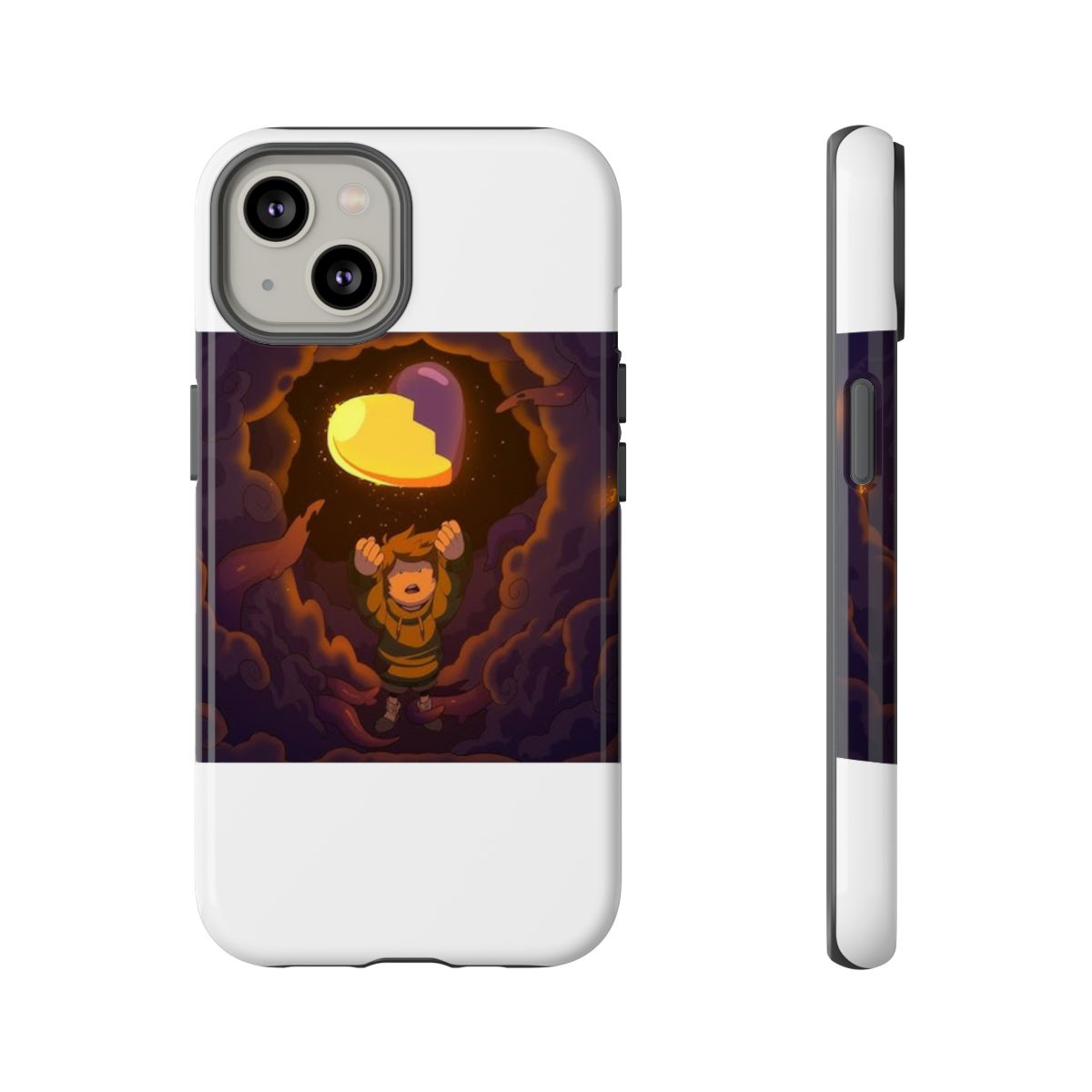
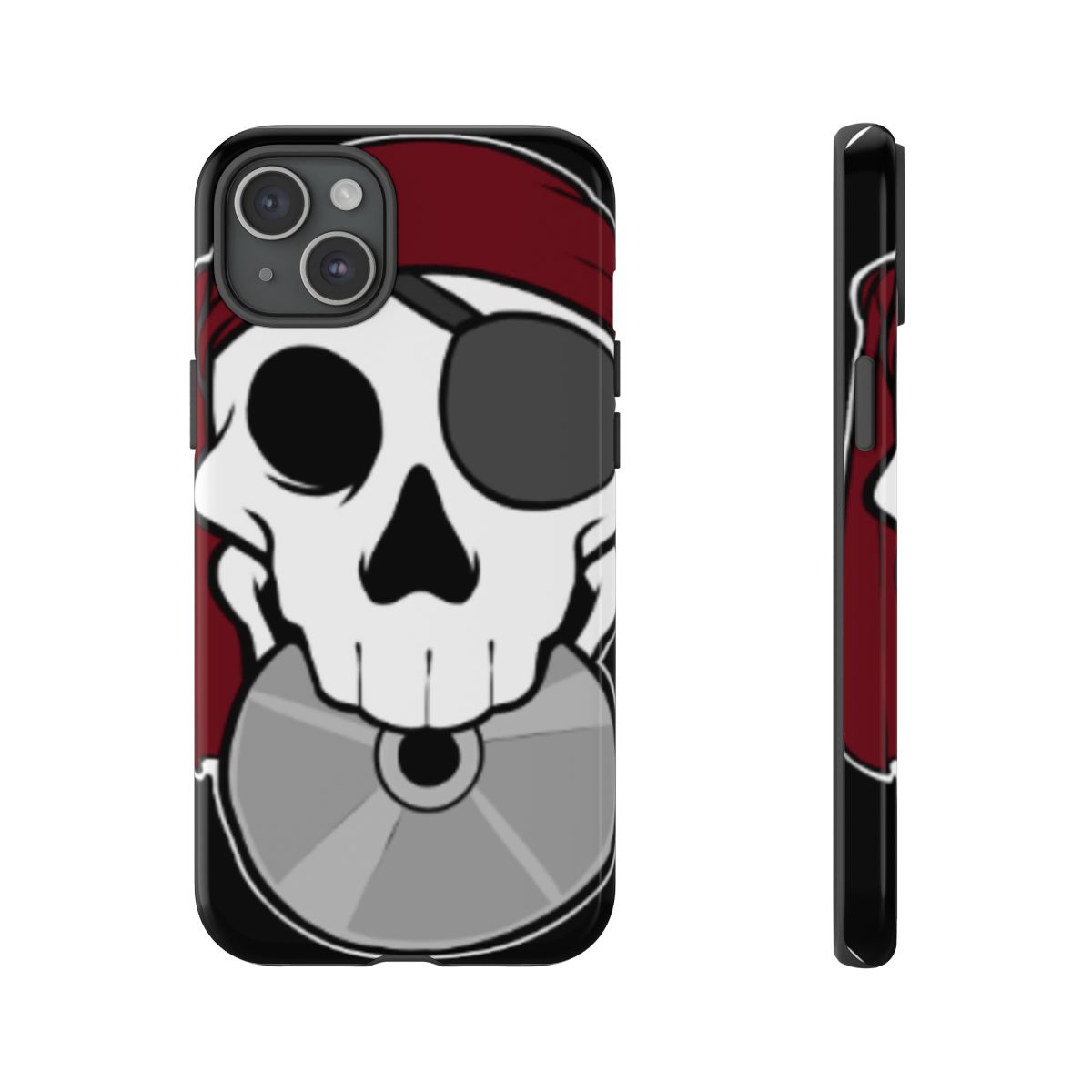
Authentic Pirate Software merch uses direct-to-garment (DTG) printing or screen printing, depending on the design. The prints are crisp, with clean edges and no pixelation. Fake prints often look like they were ironed on - slightly raised, with a plasticky feel. Look closely at the character details in designs like the "Heartbound" logo or the Pirate Software skull: fakes will blur the fine lines.
Common mistake: thinking a print that's slightly crooked is just a factory error. In authentic merch, prints are consistently centered within 3-5 mm tolerance. Fakes often drift 1-2 cm to one side. Lay the shirt flat and measure from the collar seam - the print should be centered horizontally.
H3: Fabric and Tag Differences
Authentic tees are 100% cotton or a cotton-poly blend (like 60/40) from brands such as Gildan or Bella+Canvas. The fabric weight is around 6 oz for tees, sturdy but breathable. Fakes often use thinner, scratchier material - you can literally see light through a single layer. The tags are a giveaway too: authentic store tags have a clean white sticker with the Pirate Software logo and size, while fakes have generic tags or no tag at all.
Pro tip: Feel the inside of the neck seam. Authentic garments have a smooth, flat seam tape. Fakes often have rough, unfinished seams that can irritate your neck.
H3: Color Accuracy
Pirate Software's color palette is specific - deep navy, maroon, and vibrant gold. Counterfeit prints often use a cheap ink that fades or looks muddy. Compare the color of a skull logo or text to screenshots from the official store. If the orange looks more like peach or the black looks gray, it's likely a fake.
H2: How to Verify Authentic Fan Merch from the Store
H3: Step 1: Check the URL
Always start from the official store link shared on Pirate Software's Twitch, Twitter, or website. Counterfeiters use lookalike domains (like "piratesoftware- store.com" with a dash) that are easy to miss. Bookmark the real store landing page.
H3: Step 2: Compare Product Photos
Official store product photos are high resolution, with the item photographed on a model or flat lay in consistent lighting. Fakes often use stolen images from the real store or generic mockups. Look for background details - authentic photos may have a subtle watermark in the corner. If the listing shows the same photo as the official store but the price is 40% less, it's a red flag.
H3: Step 3: Match the Design Details
Every Pirate Software design has signature elements. For example, the "Heartbound" hoodie has a specific placement for the pocket stitch and the logo is printed larger on the back. Counterfeiters often shrink or enlarge designs to fit their blanks. Open the official store page side by side and compare:
- Logo size relative to the garment
- Number of colors in the design (fakes often simplify gradients)
- Placement of small text or symbols
H3: Step 4: Read the Product Description
Authentic listings include specific fabric content (e.g., "100% cotton, 6 oz, pre-shrunk") and care instructions. Fake listings often have vague descriptions like "soft tee" or no details at all. Also check for seller information: the store is the only authorized seller.
H2: What to Do If You Bought a Fake Item
If you suspect you received fake Pirate Software merch, stop wearing it immediately. The inks used in counterfeit printing may contain lead or other heavy metals - not something you want against your skin.
First, contact the marketplace or seller for a return. Most platforms have counterfeit policies that protect buyers. Document everything: photos of the fake item next to an authentic one, screenshots of the listing, and your order confirmation. Next, report the listing to the platform as counterfeit. This helps protect other fans.
Finally, share your experience with the community. Post in Pirate Software's Discord or subreddit with side-by-side photos. This crowd-sourced verification helps everyone stay informed. The store team monitors these channels too.
H2: Common Mistakes to Avoid
Mistake 1: Relying on price alone. A cheap price is a clue, but some fakes are priced close to authentic merch to seem legitimate. Always verify multiple signs.
Mistake 2: Ignoring the seller's feedback. If a third-party seller has fewer than 50 reviews or a recent spike in negative feedback about "low quality" or "wrong size," be wary.
Mistake 3: Forgetting to check the packaging. Authentic orders ship in branded poly mailers with a packing slip. Fakes often arrive in plain plastic wrap or a simple envelope.
Mistake 4: Buying from pop-up ads on social media. Scammers run targeted ads for exactly the merch you want. Instead, use the official store link from Pirate Software's verified accounts.
H2: Pro Tips from the Community
Longtime fans have developed their own verification methods. Here are three advanced tips:
The Wash Test: Authentic Pirate Software merch holds its color and shape after 20+ washes. Fakes often fade or shrink after just three washes. Wash a new item once before wearing, and compare the print to photos of known authentic gear.
The UV Check: Some fans use a UV light on the inside tag. Authentic tags have a subtle UV-reactive watermark (a small skull icon) that's hard to counterfeit. Not all official merch has this, but if present, it's a strong indicator.
The Community Database: There's an unofficial spreadsheet maintained by mods in the Pirate Software Discord listing known fake sellers and URLs. If you're unsure, check that list before buying.
H2: Recommended Gear & Products
Your best protection against fakes is buying directly from the fan store. The Pirate Software Hoodie - a 60/40 cotton-poly blend with a heavyweight 8 oz fleece - is a community favorite. Its double-stitched seams and screen-printed front logo stand out immediately against flimsy counterfeits. The Classic Tee, printed on a 6 oz Gildan ring-spun cotton shirt, has a hand feel that fakes can't replicate - soft but substantial. Pair it with a limited edition pin or sticker to round out your collection.
H2: Frequently Asked Questions
Is there a difference between "fan merch" and "official merch"?
The store is a curated fan merchandise store inspired by Pirate Software. It is not officially licensed by the creator. Products are community-driven and approved by the brand.What if I already bought a fake? Can I get my money back?
Most payment platforms and marketplaces offer buyer protection for counterfeit goods. File a dispute with your credit card company or PayPal. Provide photos of the fake item and the listing URL.How can I report a fake listing?
On most platforms, use the "Report Item" button and select "Counterfeit". Also notify the Pirate Software team via their contact form so they can send a takedown notice.Do fakes ever come from the same supplier as authentic merch?
No. Authentic fan merch is produced through a single, vetted print-on-demand partner. Counterfeiters use unlicensed printers with no quality control.Can I trust a seller with thousands of positive reviews?
Not necessarily. Fake sellers sometimes use bots to generate fake reviews. Look for reviews with photos or specific comments about fabric and print quality. Generic "Great shirt" reviews are suspicious.H2: Key Takeaways
- Check print crispness, fabric thickness, tag details, and color accuracy against official store images.
- Always start your purchase from the official store link shared on Pirate Software's verified channels.
- If you receive a fake, document it, return it, and report the listing to protect others.
- Join the community on Discord to stay updated on known counterfeiters.
- Remember: if a deal seems too good to be true, it probably is. Invest in authentic fan gear that lasts.
Related Posts
General
Authentic Pirate Software Merch: How to Spot Fakes in 2026
Counterfeit Pirate Software merch is everywhere. Here's how to tell the real fan-made gear from the ...
GeneralBest PirateSoftware Merch for Gifting to Dev Friends in 2026
Whether your friend is a terminal lover, streamer, or lore fan, our 2026 PirateSoftware gift guide c...
GeneralPirate Software Desk Accessories for Your Home Office 2026
Upgrade your home office with Pirate Software desk accessories - from extended mouse mats to insulat...
Shop PirateSoftware Merch
Official merchandise — premium quality, designed for the community.